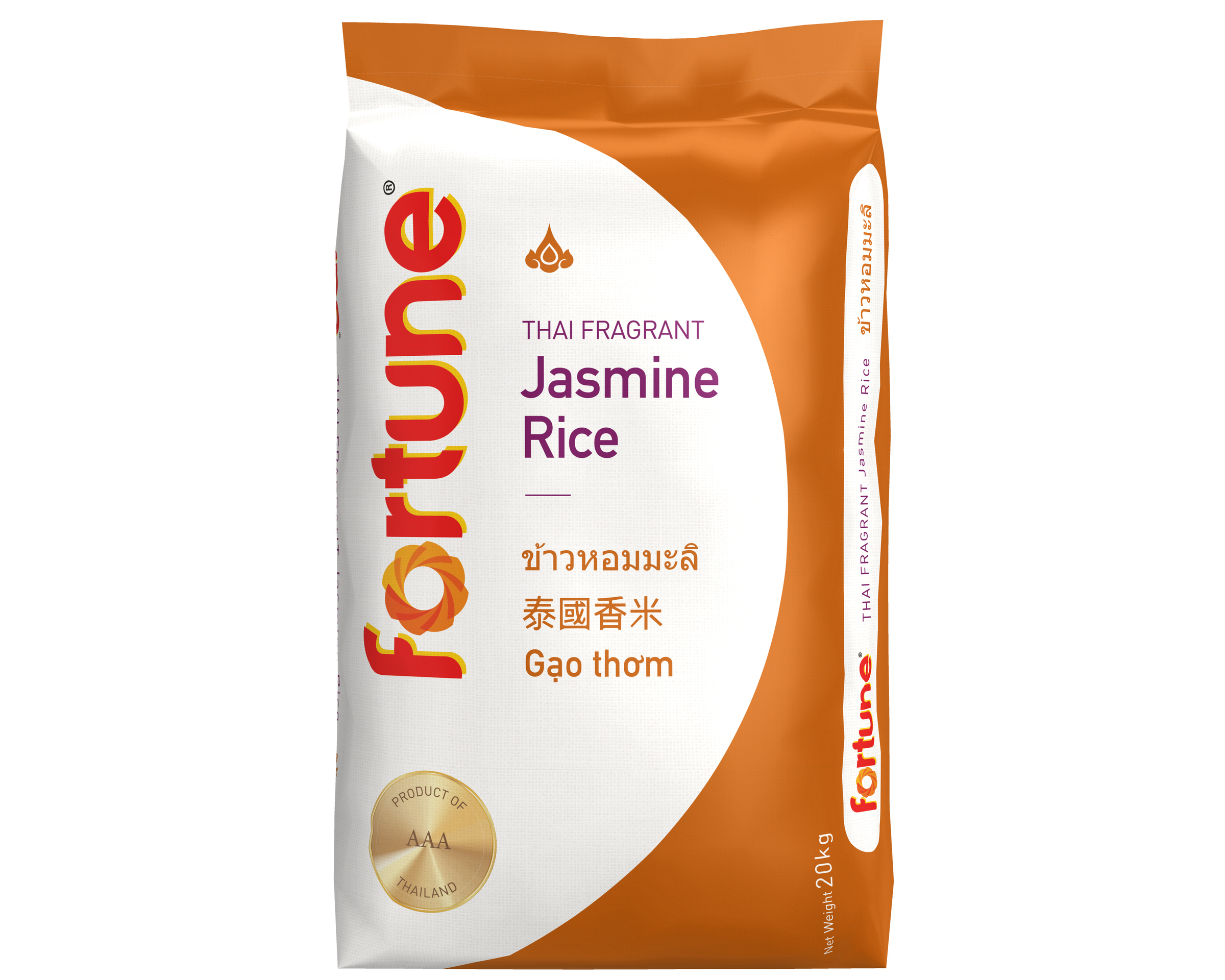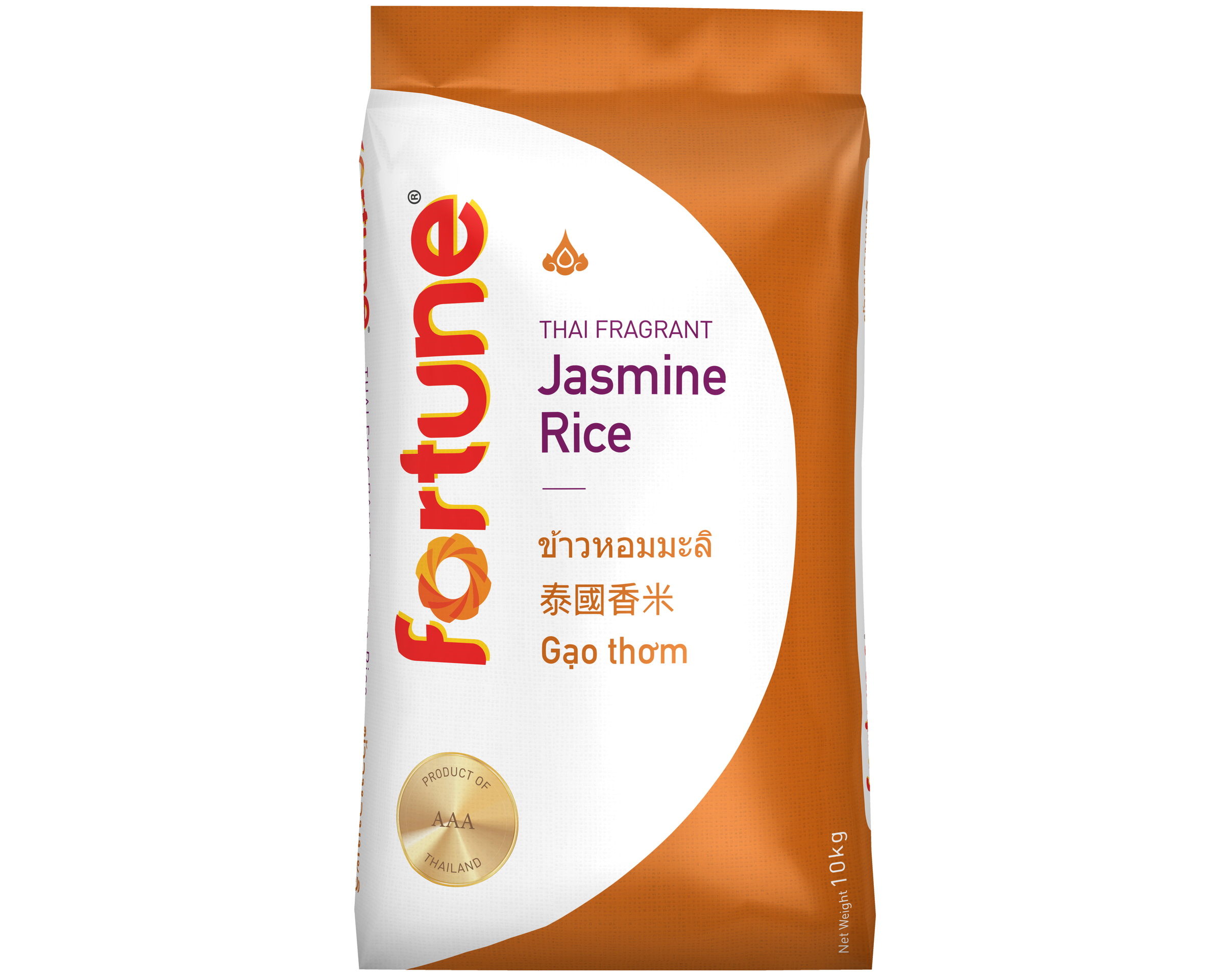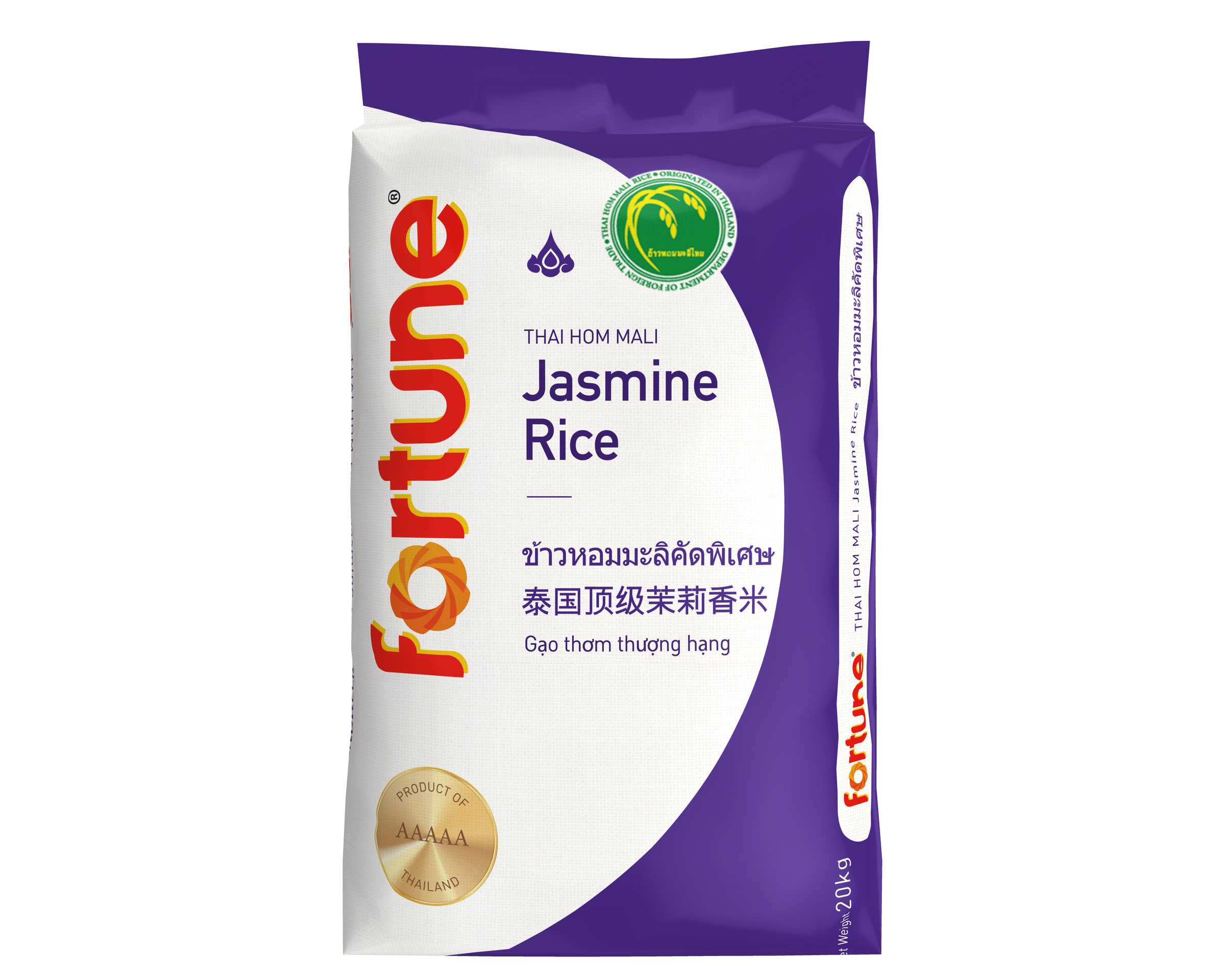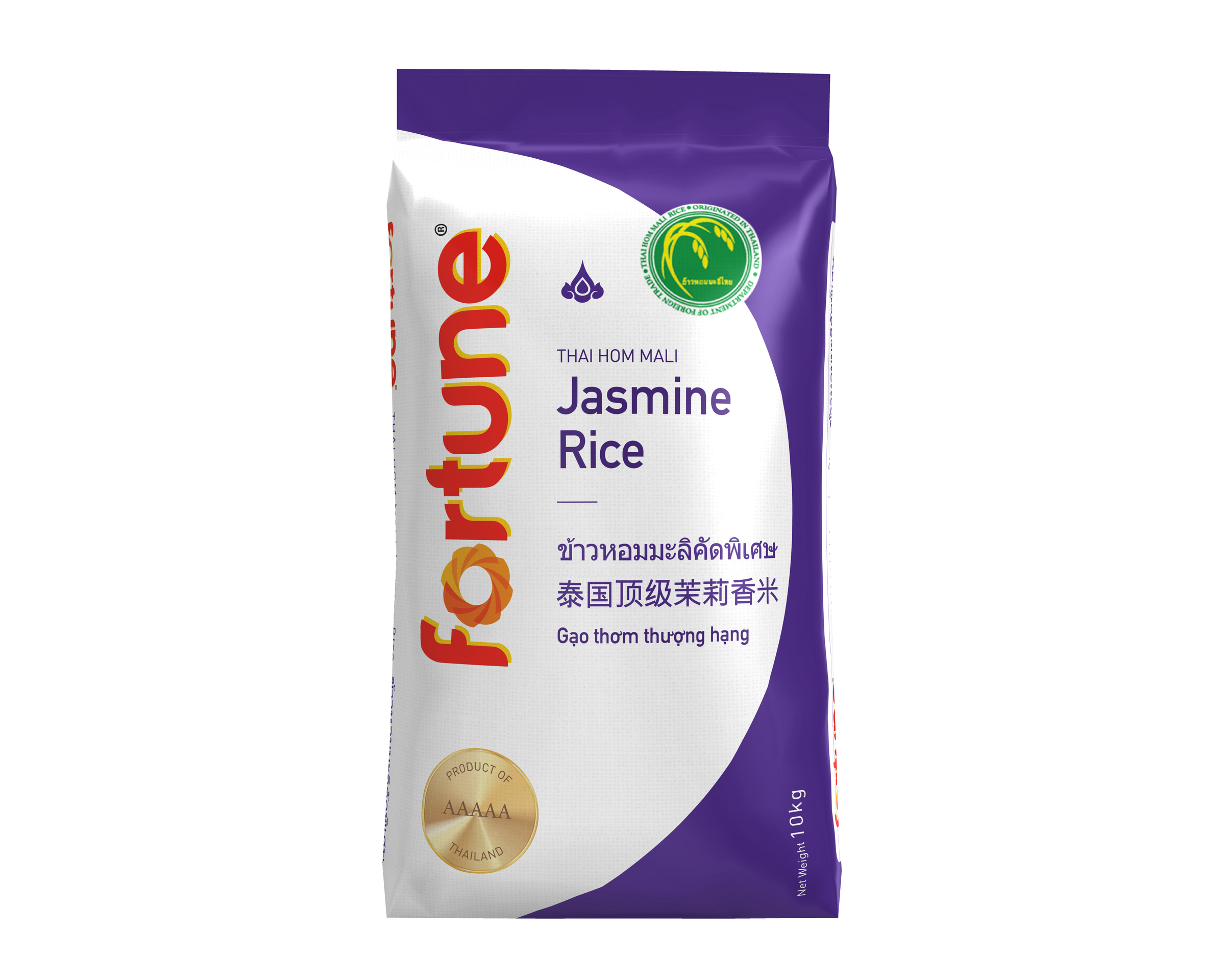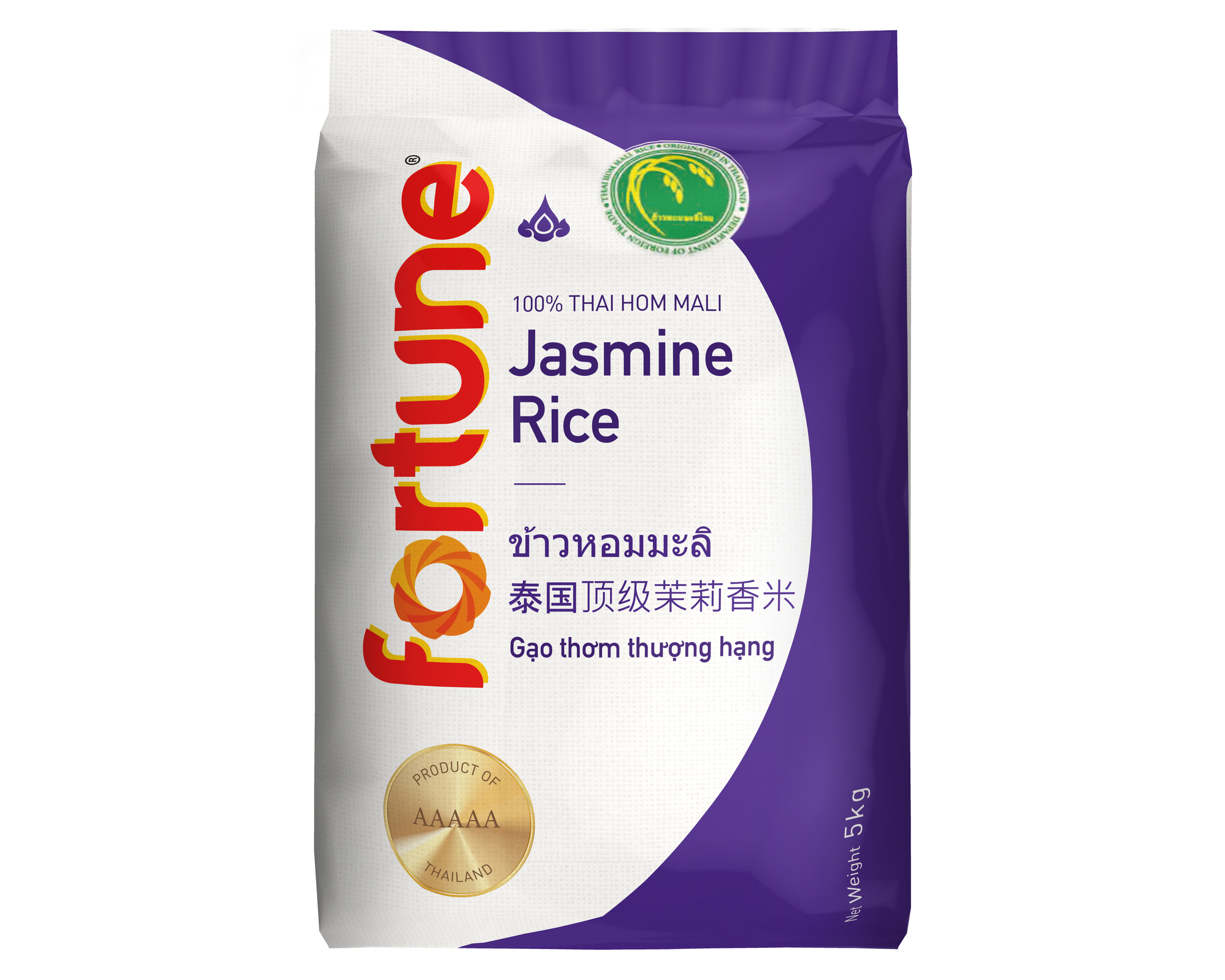
Jasmine rice is a fragrant long-grain rice native to Southeast Asia that cooks to a soft, slightly clinging grain.
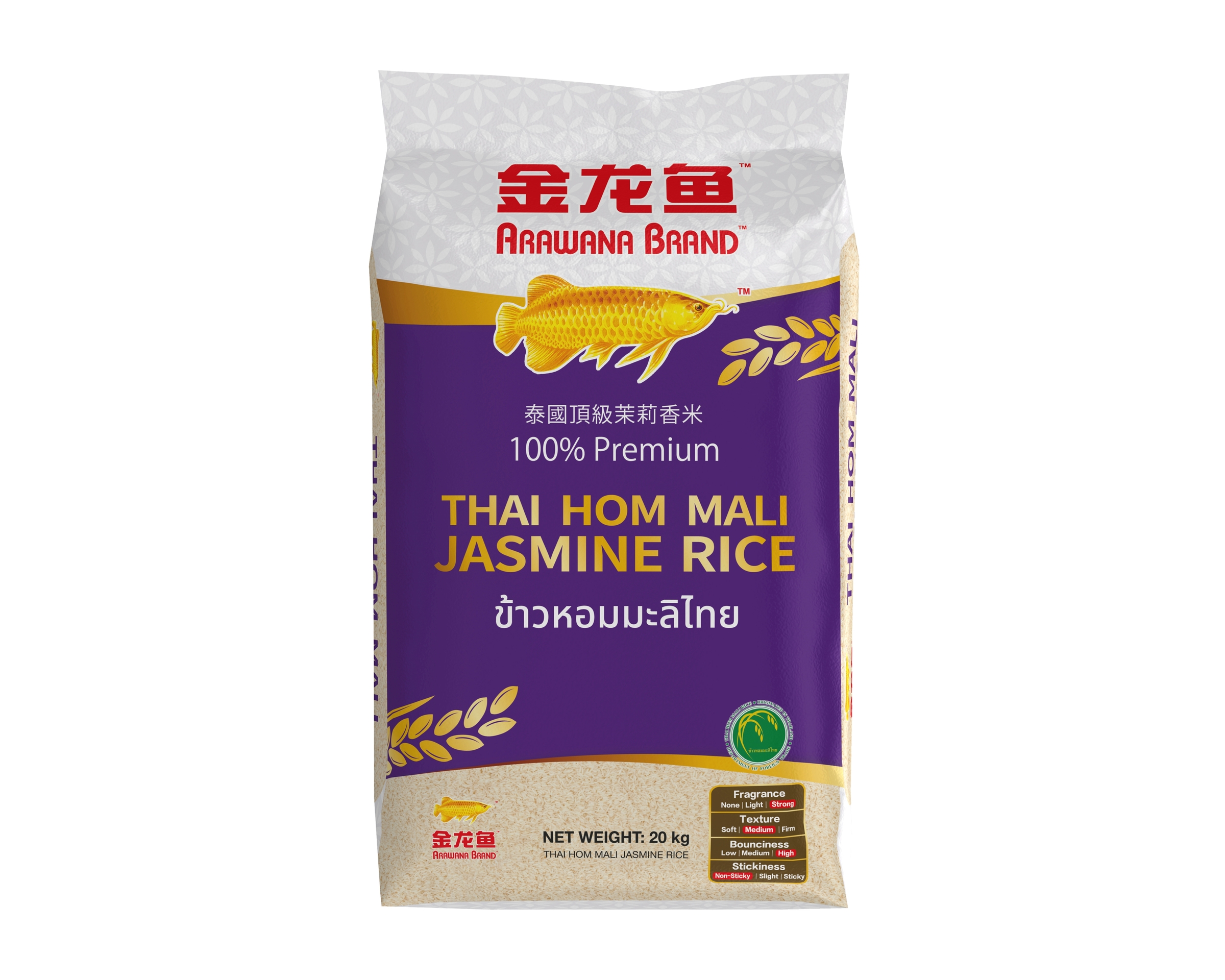
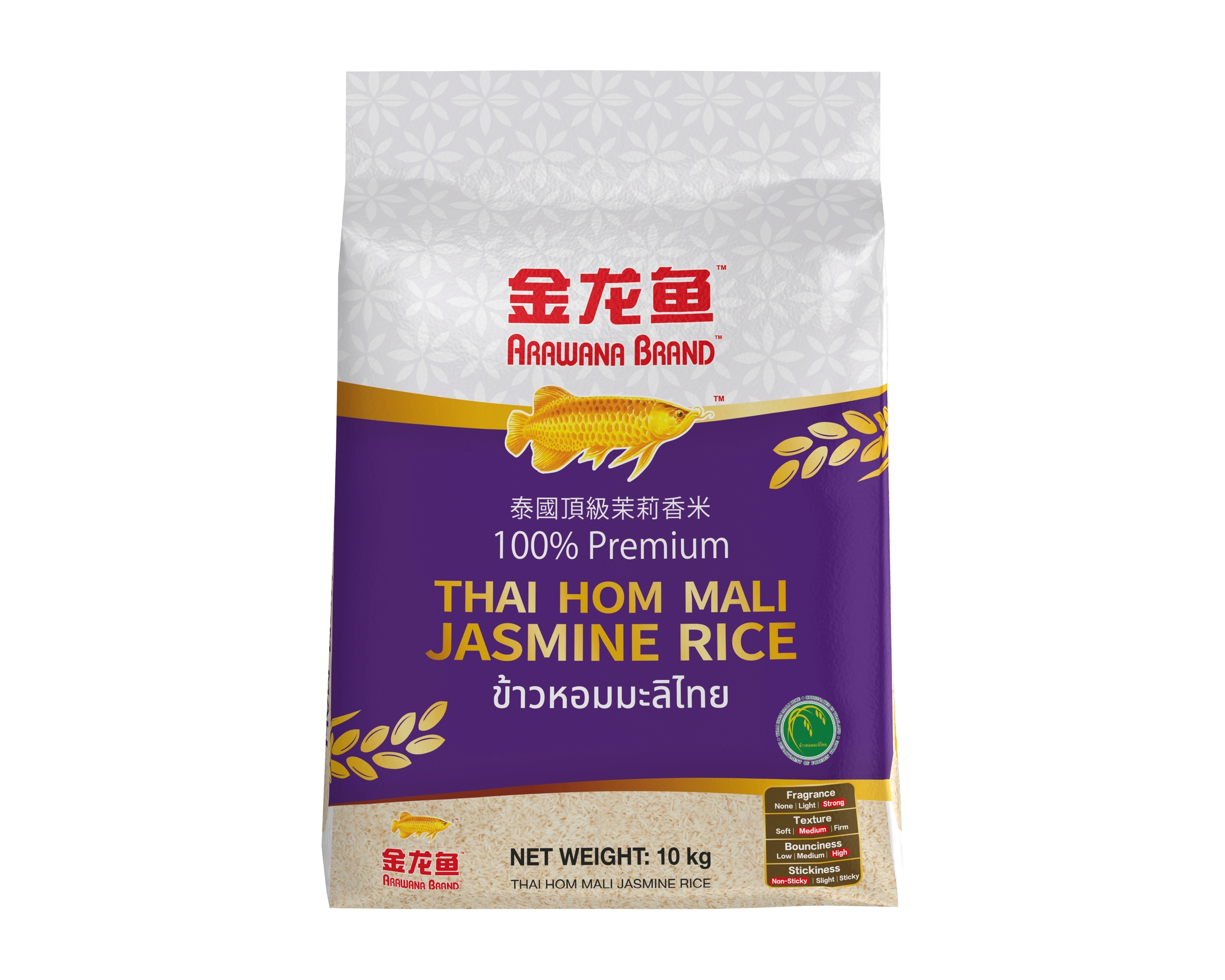
Thai Hom Mali is jasmine rice grown in Thailand. Its floral aroma makes it the premium option when the rice itself carries the dish, and it cooks to a fluffy texture that holds through service.
White jasmine rice is the variety most commercial kitchens cook as a daily staple, and the standard base for Thai and Vietnamese dishes. It is served steamed with Thai curries and used through stir-fry service. For fried rice, kitchens cook a batch a day ahead so the grains separate cleanly in the wok.
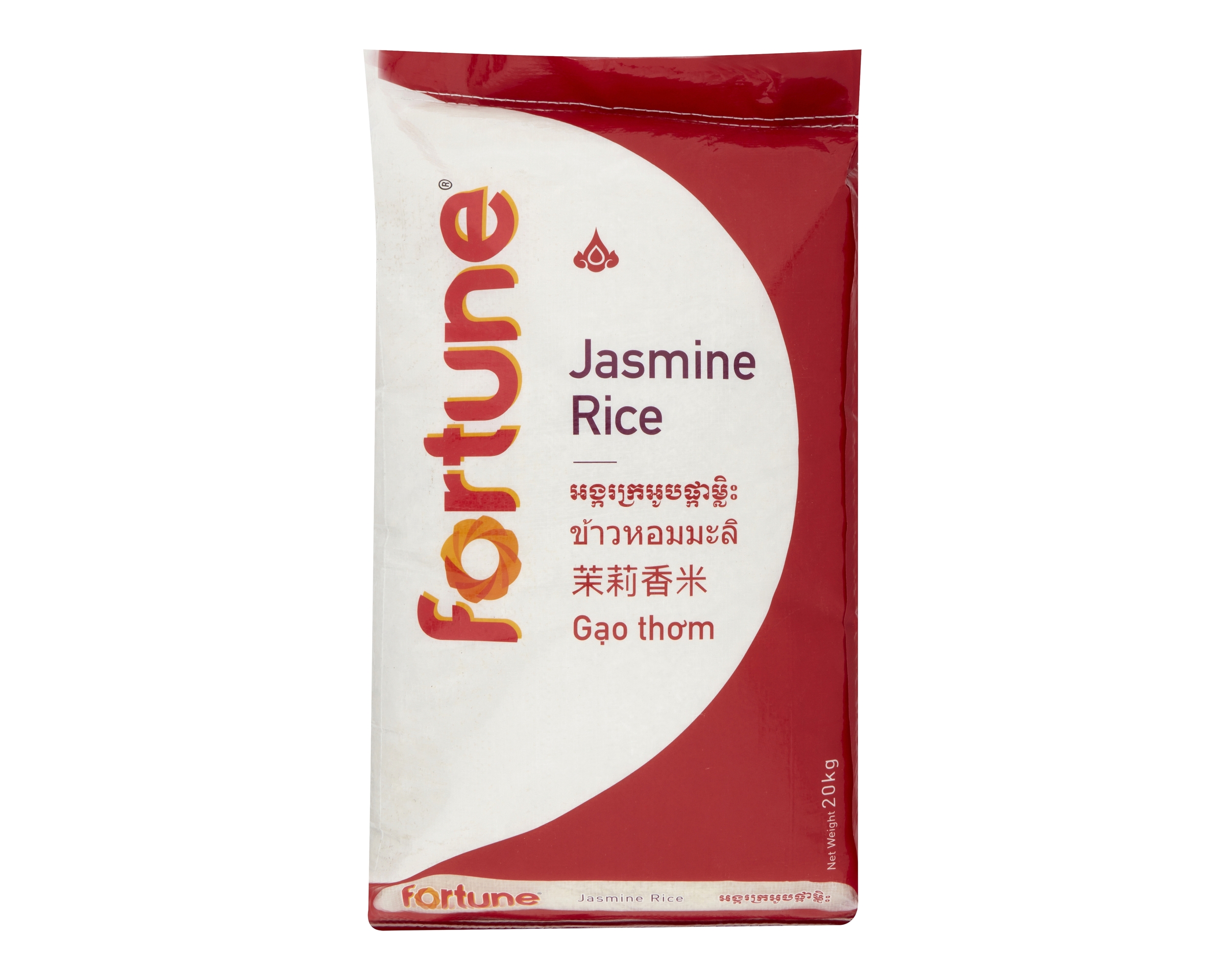
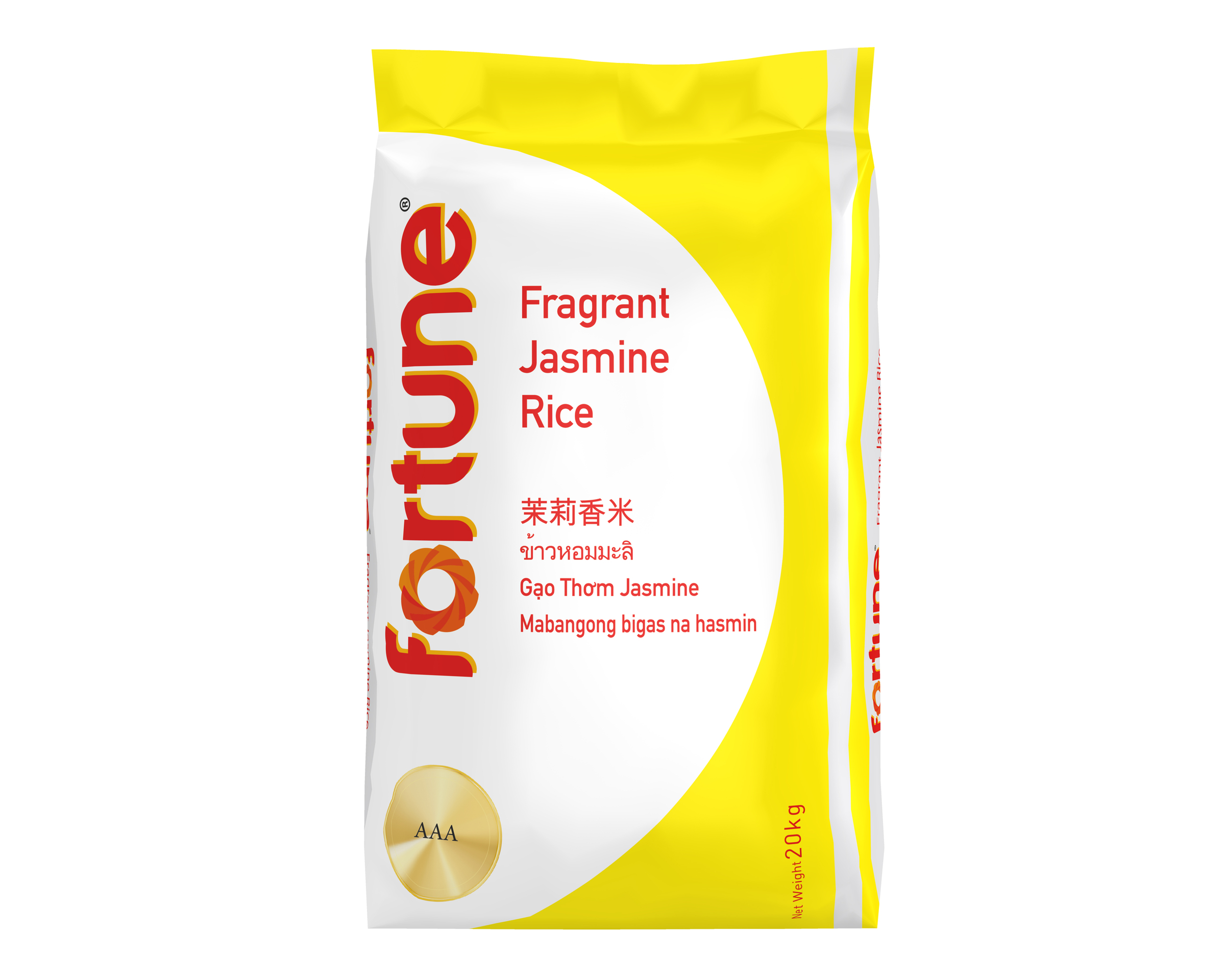
Goodman Fielder Food Service supplies jasmine rice in formats including 20kg, 10kg and 4x5kg. Choose by how much rice the kitchen cooks each week and how much dry store space it has.
Whichever format you order, store it in a cool, dry area and decant opened bags into an airtight container to protect the grain from moisture and pests.
โ National scale. Goodman Fielder Food Service supplies over 30,000 foodservice, distributor and supermarket customers daily across Australia.
โ Reliable delivery. A fleet of over 500 vehicles and 12 manufacturing sites nationally keep supply consistent week after week.
โ One account. Operators order bulk jasmine rice with other rice varieties, sauces, cooking oils and flour on a single order and delivery.
Bulk jasmine rice is ordered by three main foodservice channels:
โ Restaurants use it as the base for rice bowls and shared plates.
โ QSR kitchens use it as a high-turnover base that can be cooked ahead and held for peak trade.
โ Catering operations order the same bag size for every event, which keeps yields predictable.
Contact our representatives today to discuss your wholesale rice needs.
Basmati rice cooks into long, light, separate grains with a slightly firmer bite, while jasmine rice cooks softer and more tender and holds together more. Kitchens use jasmine for Thai and Southeast Asian dishes and basmati for Indian and Middle Eastern dishes such as biryani and pilaf.
Use jasmine rice when the dish needs aroma and a long grain, as in curries and stir-fries. Use medium-grain rice when the dish needs a stickier grain that holds together, as in sushi, risotto-style dishes and rice puddings.
Use jasmine rice when the rice should add fragrance to the dish. Plain long-grain white rice has a neutral flavour and firmer, more separate grains, so kitchens use it as a general side or in mixed dishes where the rice doesn’t need to carry flavour.
Most commercial kitchens cook jasmine rice by the absorption method, using about one part rice to one and a half parts water. Rinsing first gives a lighter, more separated result. A 10-minute covered rest and batch cooking help keep portions consistent through busy service.
Cooking times and water ratios vary with equipment and batch size, so kitchens generally run a test batch when setting a new standard. A commercial rice cooker holds a steady result across batches once that standard is set.
Rice is a naturally gluten free grain. For a specific bulk jasmine rice product, check the pack label and product specification sheet for the current allergen declarations. Nutrition information, including energy per serve, is listed on the same sheet.
Dry jasmine rice absorbs roughly one and a half times its weight in water, so a 20kg bag yields in the region of 50kg of cooked rice. At a 180g side portion that’s around 275 serves, or about 165 at a 300g main-sized base.
The final yield can vary a little with your water ratio and cooking method, so a quick test batch can help you plan portions and menu costs with more confidence.