

Quinoa vs rice – what is the difference? How do they produce different flavours, textures and health benefits? Can one or the other make or break a dish? We’ve uncovered the true differences between the two and found where they will both work best on your current menu.
As Australians become more conscious of their food choices and dietary requirements, chefs have the opportunity to explore new ingredients, products and dishes that meet the expectations of their customers.
Although carbs tend to receive a bad reputation from the food-conscious consumer, dietitians continuously squash the theory. “Carbohydrates are a major source of fuel and nutrients for our bodies,” states Harvard Health, who claim carbs are used to provide the body with the energy it needs to function on a daily basis.
What is the difference between rice and quinoa, as the latter begins to show up on menus across the country. Datassential’s senior publications manager, Mike Kostyo, explained to QSR Magazine that over the last four years, there was a 350% increase in the use of quinoa in dishes at Food Service venues.
The progression of using quinoa is significant considering “a decade ago most people had never heard of [it].” Mr Kostyo believes the interest in quinoa has risen because “consumers now want to feel good about what they’re eating…so it fits in the clean-eating trend.”
But how does rice and quinoa stack up against each other? What are the differences between them and how can you turn them both into kitchen staples by including them in a variety of dishes on your menu?
What is rice and how do all the varieties differ?

Rice is a versatile menu staple, used across cuisines and dishes in commercial kitchens around the world. Whether it is a standalone dish, such as a fried rice, or as an addition to salads and poke bowls, rice has had an impact on both chefs and consumers in Food Service. There are a variety of rice types available in different colours and sizes, but the two most popular are white and brown.
White rice has its husk, bran and germ removed during milling, which changes its flavour, texture and appearance and extends its shelf life when it is stored correctly in a cool, dry place. Milling and enrichment practices vary by product and market, so always check the exact pack for details on that rice and follow the pack instructions for storage and cooking.
Whereas, brown rice retains its bran and germ throughout processing. Cooked brown rice is darker in colouring and has a nuttier, chewier texture, so it may not be suitable to dishes where you require a simpler flavour.
Physical grain size affects texture and flavour. Short grain rice is rounder and higher in starch, which suits dishes that need a sticky texture, such as sushi. Risotto is typically made with Arborio rice, which is a medium grain. Long grain rice is longer and firmer with a drier texture that stays in separate grains once cooked, making it ideal for pilaffs and as a side for Indian, Malay and Thai cuisines. Jasmine rice can be slightly sticky, so choose by dish and the texture you want.
How to cook fluffy rice
Aside from picking the right type of rice for your dishes, timing is key and a minute too long can affect the result. Water ratios, rinsing and soaking vary by grain type and product, so following the cooking instructions on the pack is recommended. Some venues incorporate rice cookers into the kitchen to save time and labour, which helps keep consistency across service.
Goodman Fielder Food Service offers a wide selection of rice through our Food Service range for hospitality venues across Australia. Ask your distributor about availability and delivery.
Ways to add rice to your menu while managing costs
Whether it is part of a Mexican burrito bowl, as a side dish or as part of a curry; rice is considered one of the most commonly consumed ingredients. At the renowned Three Blue Ducks restaurant, they offer their customers rice across a number of their dishes. As part of their breakfast menu, they have developed a broccoli and cauliflower rice bowl that incorporates wild rice, showing that with a little bit of creativity, rice can be an attention-grabbing breakfast option as well as a traditional lunch or dinnertime cuisine.
What is quinoa?

Quinoa has been around for thousands of years, but recently it has gained traction amongst consumers due to its perceived health benefits. As more customers are increasingly conscious about the foods they consume and their overall health, they are beginning to make the switch from pasta to quinoa.
Quinoa is often cooked and served like a grain, although it is in fact related to spinach and beet. Its soft texture and neutral flavour make it a versatile option for salads, sides and bowls.
How to prep quinoa to reduce the risk of it clumping

Quinoa preparation can vary by product and menu application, so always follow the pack instructions. Many quinoa products benefit from rinsing under cold water before cooking to remove saponins, the natural coating on the seed that can taste bitter if left in place. Cooking and resting times also vary between products, so use the pack directions as your guide.
Not sure where you can add quinoa to your menu?

Despite being a trendy ingredient to add to menus, quinoa is considered an addition to a dish rather than a stand-alone offering and is commonly added to salads that are rich in natural flavours and nutrient-filled vegetables. The Botanica Vaucluse, for example, has incorporated quinoa across a variety of dishes, including a sweet corn and polenta fritter, a chickpea, kale and quinoa falafel and a quinoa bread loaf with olive oil.
Conclusion
Both quinoa and rice are ancient ingredients commonly used by chefs in various applications within a commercial kitchen. While they share some similarities, they are both naturally gluten free, making them suitable for customers avoiding gluten in their diet.
However, remember to check the packaging ingredients as the factory it was processed in may contain wheat products. And don’t forget to make sure you prepare the rice and quinoa dishes in an area where it can’t be exposed to gluten, either through the air or physically.
Quinoa can add variety to your menu, but traditional rice dishes don’t need to take a back seat. While there are some customers who can’t wait to try the next best thing on the market, there is a large percentage of clientele who rather choose their all-time favourite because they know what to expect when their spoon hits their mouth. Incorporating new ingredients with familiar favourites will help you cater to different customer preferences while keeping versatile rice dishes front and centre.
Related Resources

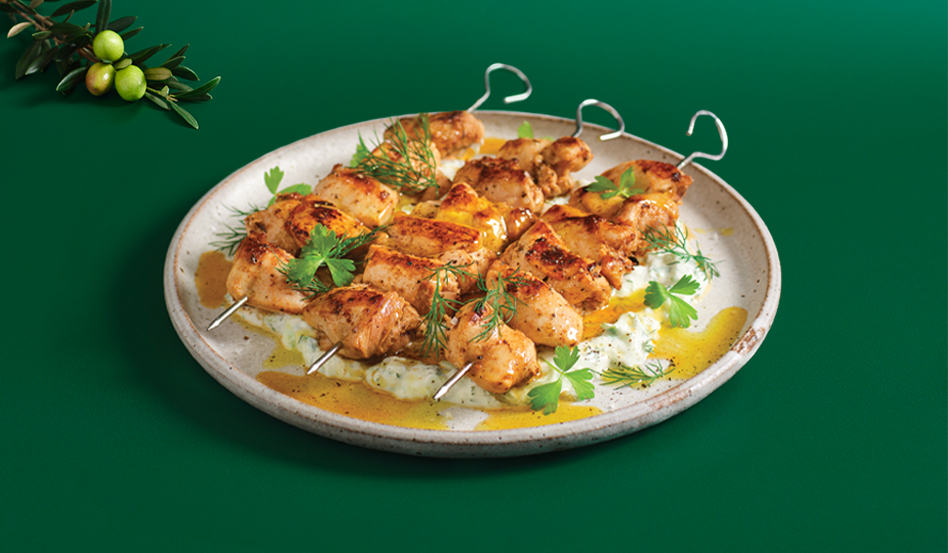
MARINATED CHICKEN SKEWERS
A Mediterranean-inspired favourite: olive oil-marinated chicken skewers served with cooling tzatziki and warm flatbread for a fresh, flavour-packed feast
Skillful baking simplified with readymade products
Find out 5 reasons why readymade bakery products can benefit your hospitality business.

5 ways to save on your cooking oil spend
Being smarter about how you use this essential commodity could save your hospitality business some money.

7 Ways to Survive Service in the Festive Season
Here are our tips, straight from the chef's mouth, on how to survive the festive season in the kitchen

Women in hospitality: How Claire Van Vuuren and Lisa Margan became successful chefs and businesswomen
To celebrate women in hospitality, successful chefs and businesswomen Claire Van Vuuren and Lisa Margan share their stories on reaching the top.

A Chef’s Guide to Gluten Free Baking
Want to know how to turn your bakery goods into a gluten free delight? Check out our gluten free baking guide now.
