When it comes to gluten free baking, there are a number of different gluten free substitutes and techniques that can help you turn your baked goods into gluten free delights. From different types of flour to avoiding cross contamination, we go straight to the experts to help guide your gluten free baking experience.
Let’s start at the beginning, what exactly is gluten?
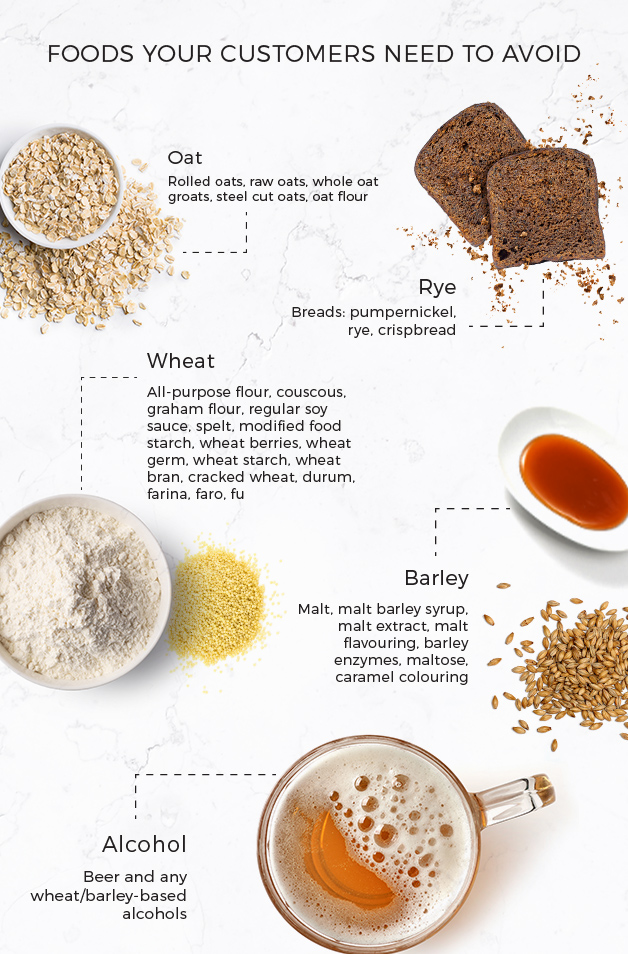
Gluten is a protein that is found in wheat, barley, rye and oats that plays an important role in baking. It provides structure and elasticity, helping baked goods rise while keeping their shape and chewy texture.
How the perception towards gluten has changed:
While gluten has always been used in cooking, the perception towards the ingredient has changed amongst consumers. While most customers can eat gluten without issue, others need to avoid it for health reasons, such as coeliac disease; which is an autoimmune disease that affects 1 in 70 Australians.
For people with coeliac disease, consuming gluten causes damage to the small intestine and prevents the body from absorbing nutrients. Some Australians may also have a gluten intolerance, which occurs when the body reacts poorly to gluten. Following a gluten free diet in this case may help to ease digestive symptoms.
Catering for gluten free customers is important for any venue, particularly bakeries where gluten is present in many products. Providing a positive gluten free experience can help build trust and gives diners a reason to return, making it essential to get the details right.
So, what gluten free flours are available for my bakery:
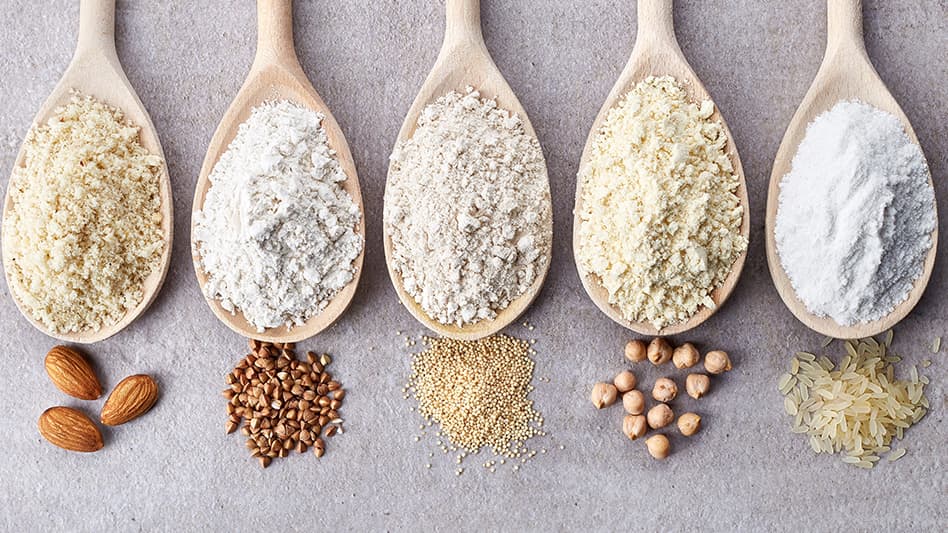
When it comes to baking goods free from gluten, it’s never been easier. This is because there are now a range of flours on the market that don’t contain gluten.
So, what gluten free flours are available for your venue? We speak to owner of Melbourne’s Adam’s Bakehouse, Chef Adam Khazaal:
• Amaranth flour:
Amaranth flour is produced by grinding seeds from the amaranth plant into a fine powder. It’s fine in texture and can absorb water easily, which is what gives it great emulsifying properties.
Flavour: Nutty and quite assertive in flavour.
Application notes: If used alone, baked goods can become too dense and won’t rise properly. It’s recommended to combine with other gluten free flours to mimic the properties of gluten.
• Almond flour and almond meal:
Almond flour is made from blanched almonds that have had the skins removed and is grounded more finely than almond meal. Whereas, almond meal typically still contains the skins and has a coarser grind during the production process.
Flavour: Both types offload a strong almond flavouring.
Suitable for: Macarons, airy cakes, cookies and quick breads.
Chef Adam’s comment: “Almond meal gives a big flavour, so you don’t have to use any many ingredients. Basically, you’re getting more flavours by using natural nuts. So, for cakes and desserts, I would recommend using almond meal”.
• Buckwheat flour:
The grinding of the buckwheat plant forms the dark coloured flour. It has a light, soft texture and is very delicate and distinctive. It can absorb considerable amounts of water but can become slimy if overworked.
Flavour: Strong, nutty flavour.
Suitable for: Pancakes, dense breads and crepes. If you are using it for cookies or pies, use less and mix with another flour.
• Coconut flour:
Made from dried coconut flesh after the oil has been removed, coconut flour is fine in texture and is highly absorbent. It is often used in conjunction with other gluten free flours to prevent the baked good from drying out.
Flavour: Distinctive coconut flavour.
Suitable for: Cakes, muffins, pancakes and cookies.
• Corn (maize) flour:
Corn flour is made from the whole corn kernel and offers a fine yellow colouring, but it can also come as white or blue depending on the variety of corn that’s used. Its texture is fine and smooth, very similar to rice flour.
Ingredients: Made from whole corn kernel.
Flavour: Sweet flavour.
Suitable for: Waffles, breads, pancakes and tortillas. Can also be used as a thickener.
• Millet flour:
Millet flour is produced by pin milling a variety of millet into a fine flour. It is a pale, yellow colour and is often used in African and Indian dishes.
Flavour: Mild, sweet and nutty in flavour.
Suitable for: Muffins, cookies, cornbread or as a thickener.
• Quinoa flour:
Made by grinding quinoa seeds to a fine consistency, quinoa flour has the same look and feel to wheat flour and can be used across a broad range of baking recipes.
Flavour: Strong earthy, nutty flavour and aroma. Slight bitterness of quinoa.
Suitable for: Chocolate and coffee recipes, though it is recommended that it is mixed with other flours, as its flavour content can become overpowering.
• Rice flour:
A common substitute for wheat flour, rice flour is made from finely milled rice and can be made from either white or brown rice.
Flavour: Brown rice flour is slightly nutty, whereas white rice flour has a bland flavour.
Suitable for: Brown rice flour is used for bread loaves, artisan bread, muffins and cookies, while white rice flour is considered a basic flour for gluten free baking.
• Soy flour:
Soy flour is created from ground soybeans and brings moisture to baked goods. It ranges from cream to yellow in colour.
Flavour: Varies from a beany flavour to a sweet, mild flavour.
Suitable for: Brownies, cookies and breads.
• Teff flour:
Teff flour is made from the fine ancient grain that comes in a variety of colours, from white and red to dark brown. It has a slight gritty texture and complements exotic spices.
Flavour: Subtle sweet, nutty flavour.
Suitable for: Cookies, cakes, tortillas and flat breads. Has the ability to create a soft crumb in gluten free baking.
How do I bind ingredients using non-gluten products?
The process of binding naturally occurs when wheat flour is used during the baking process. With the use of gluten free flours, this element is removed, making it essential for bakers to use additional ingredients.
Chia seeds are commonly used as a binder because they form a gel when mixed with liquids such as water, which suits breads and muffins. Some chefs also use flaxseeds or psyllium husks in breads that would otherwise rely on gluten for structure. Psyllium husk becomes gelatinous when hydrated, adding flexibility to dough.
The importance of avoiding cross-contamination in baking:
Cross contamination occurs when traces of gluten are transferred to gluten free food. In Australia, food labelled gluten free indicates the food has no detectable gluten, and it must contain no oats/oat products and no malted gluten containing cereals or their products. To reduce the risk of cross-contamination, keep ingredients and equipment separate and take strong precautions in every kitchen to protect customers with coeliac disease.
In high risk environments such as bakeries, it’s important to either use a separate preparation room or to create barriers for gluten free zones. “You need to make sure your whole table is clean from gluten,” chef Adam explained.
Clean benches and utensils thoroughly before preparing gluten free items and keep gluten free food separate from other products to prevent cross contact. Many venues have a dedicated bench or preparation area for gluten free production and staff should follow documented procedures at all times.
Cross contamination can occur when:
- Handling or storing gluten free products with or near products that contain gluten.
- Using the same utensils for multiple food products.
- Reaching across surfaces or sharing equipment.
- Staff moving from gluten containing foods to gluten free food prep without changing gloves, aprons or washing hands.
Conclusion:
Offering gluten-free baked goods allows your venue to cater to customers who are consuming these products, especially as more and more customers turn towards this dietary preference. When preparing delicious gluten free goods, be aware of every ingredient being used, as ingredients such as chocolate, sprinkles and baking powder may contain gluten.
If you are adapting existing recipes to gluten free, establish exactly what ingredients contain gluten beforehand as not all recipes can be adapted successfully. Remember, baking is like a science, it takes a lot of trial and error to ensure the perfect outcome is achieved.
Want to download your own guide to gluten free baking? Simply fill out the form below and it will be emailed direct to your inbox.
Related Resources

Your Go-To Guide for Gluten Free Baking
Check out our gluten free baking guide now - and download your free copy for your kitchen.
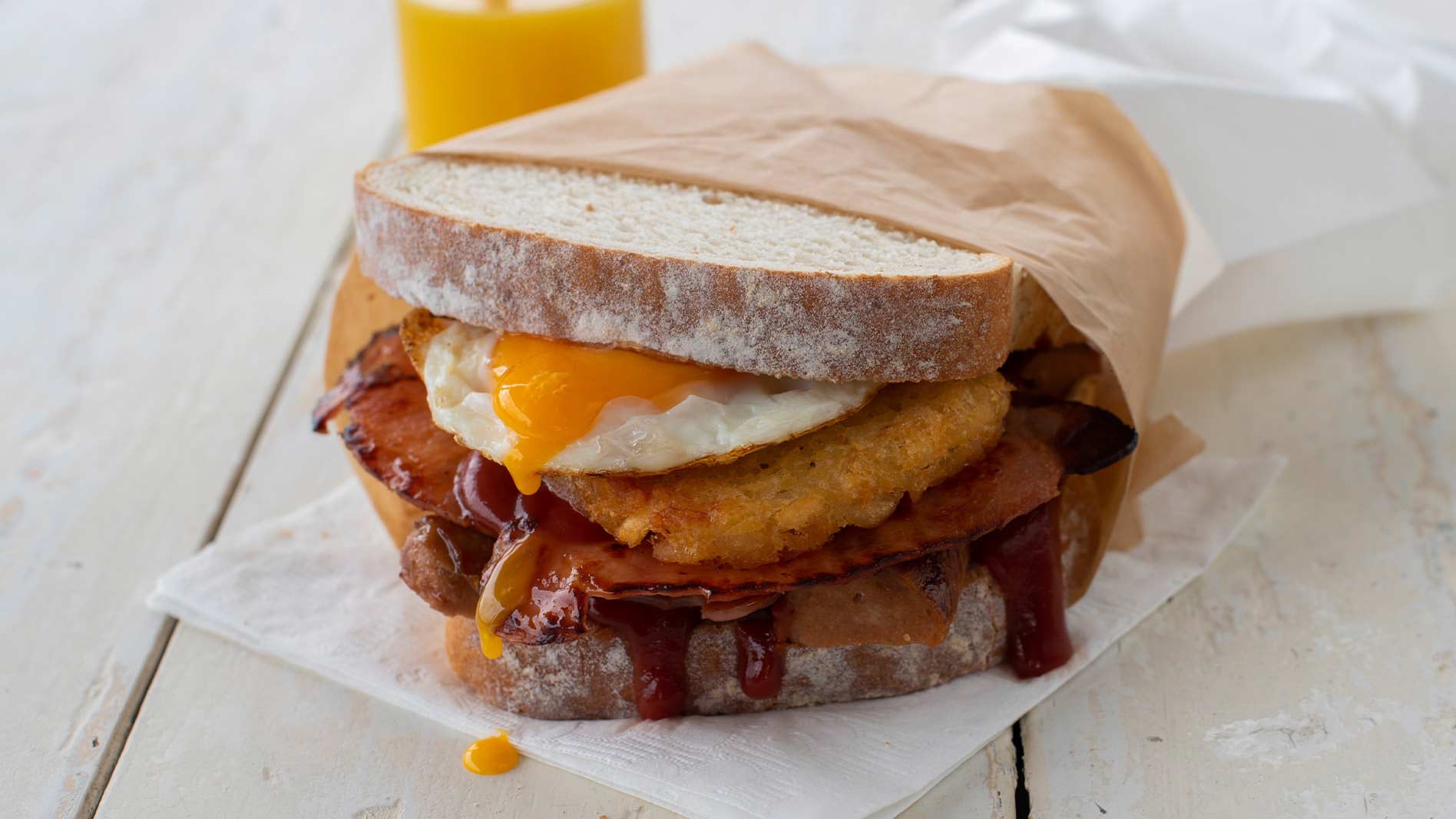
Breakfast Tradie Sandwich
Chef Karyn whips up a quick and easy breakfast tradie sandwich, using two meats, eggs and hashbrowns. This is the classic big breakfast dish all in one sandwich.
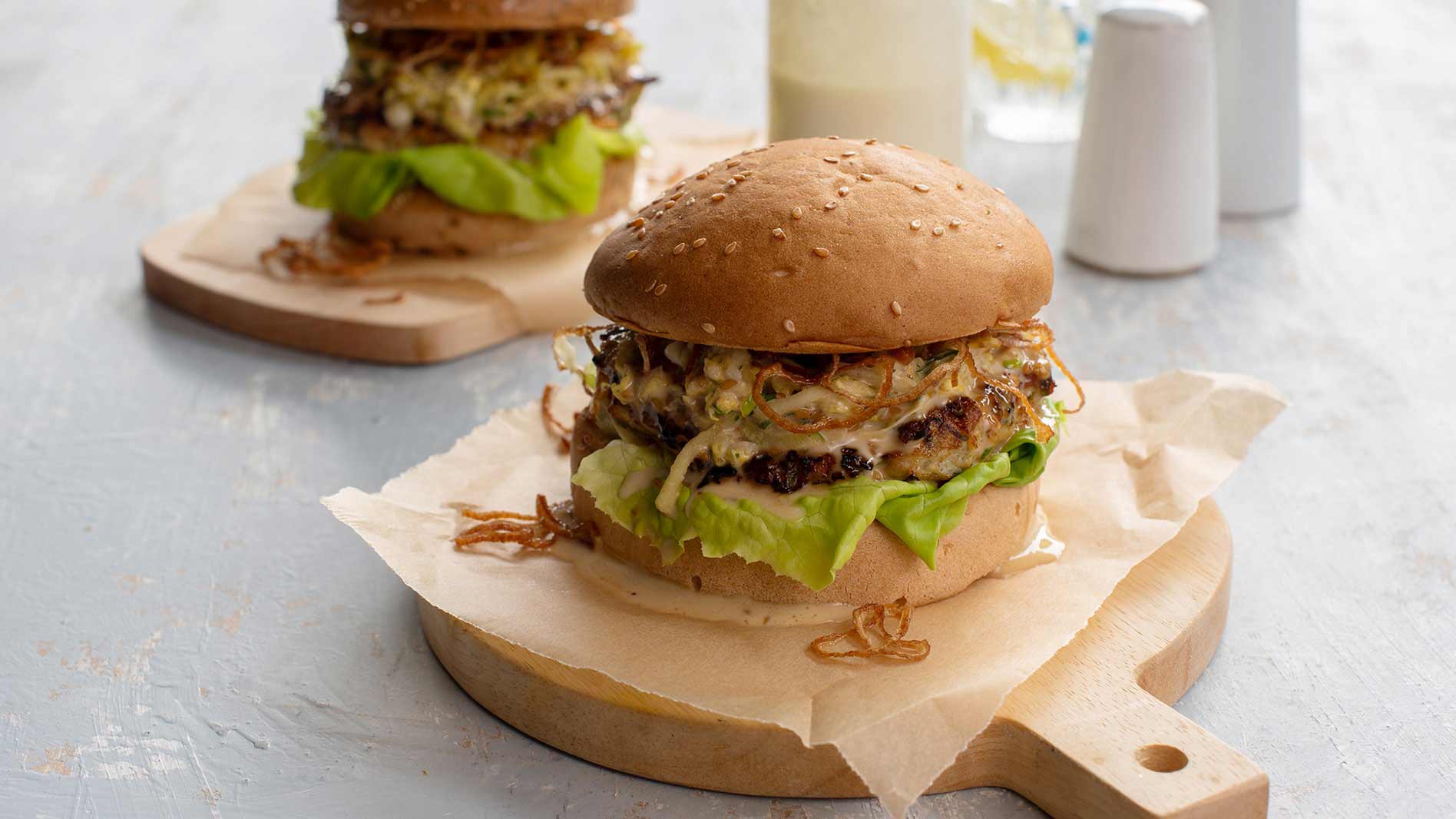
Gluten Free Burger With Chicken, Kim Chi and Sesame Mayonnaise
With more customers following a gluten free diet, having meals free of gluten has never been more important. This burger recipe will have your customers rushing back for more.
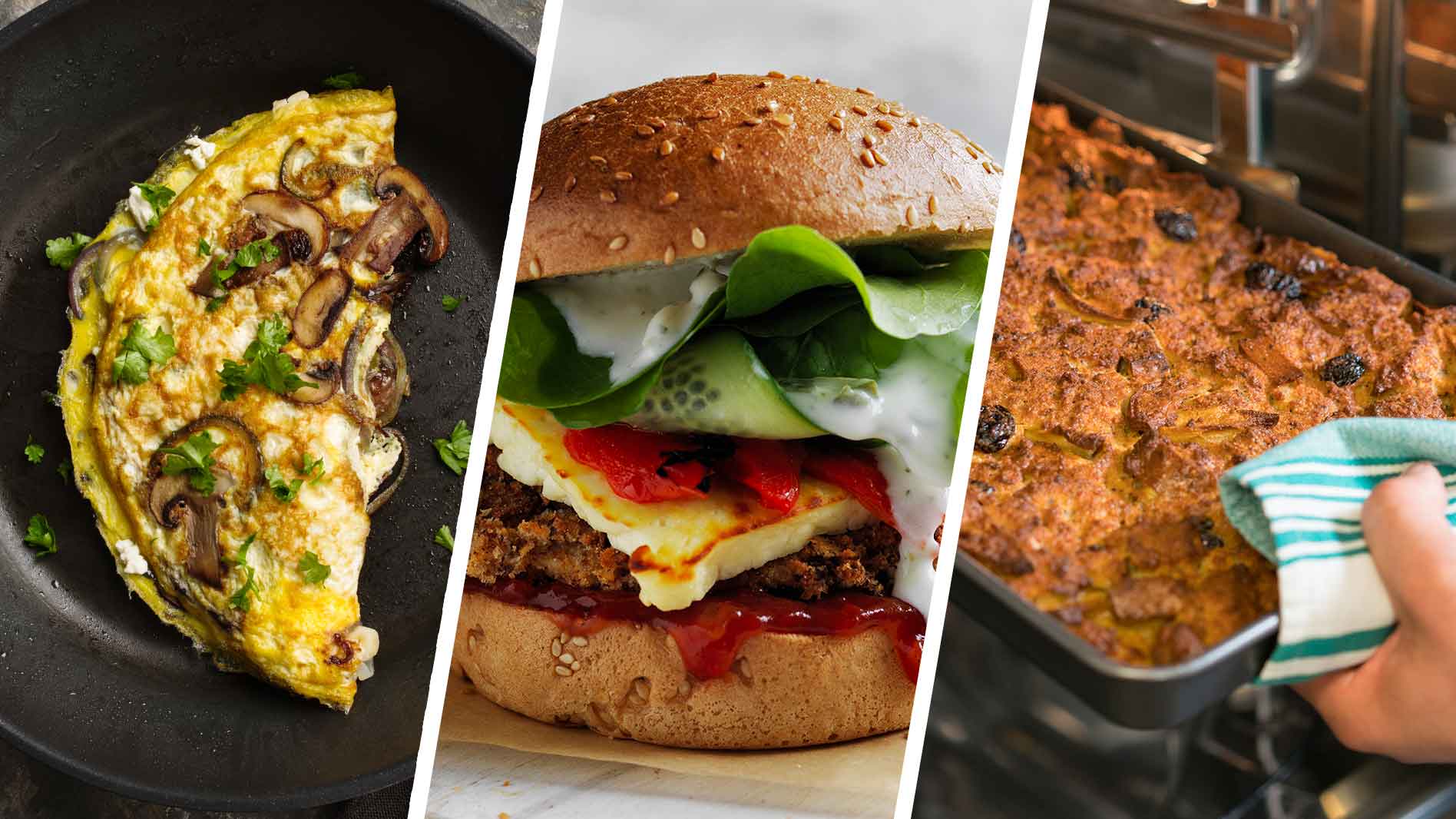
Transform your breakfast, lunch and dinner menu with these gluten free alternatives
Need to cater for your gluten free customers? Here's how you can transform your current menu by using gluten alternatives that are currently on the market.
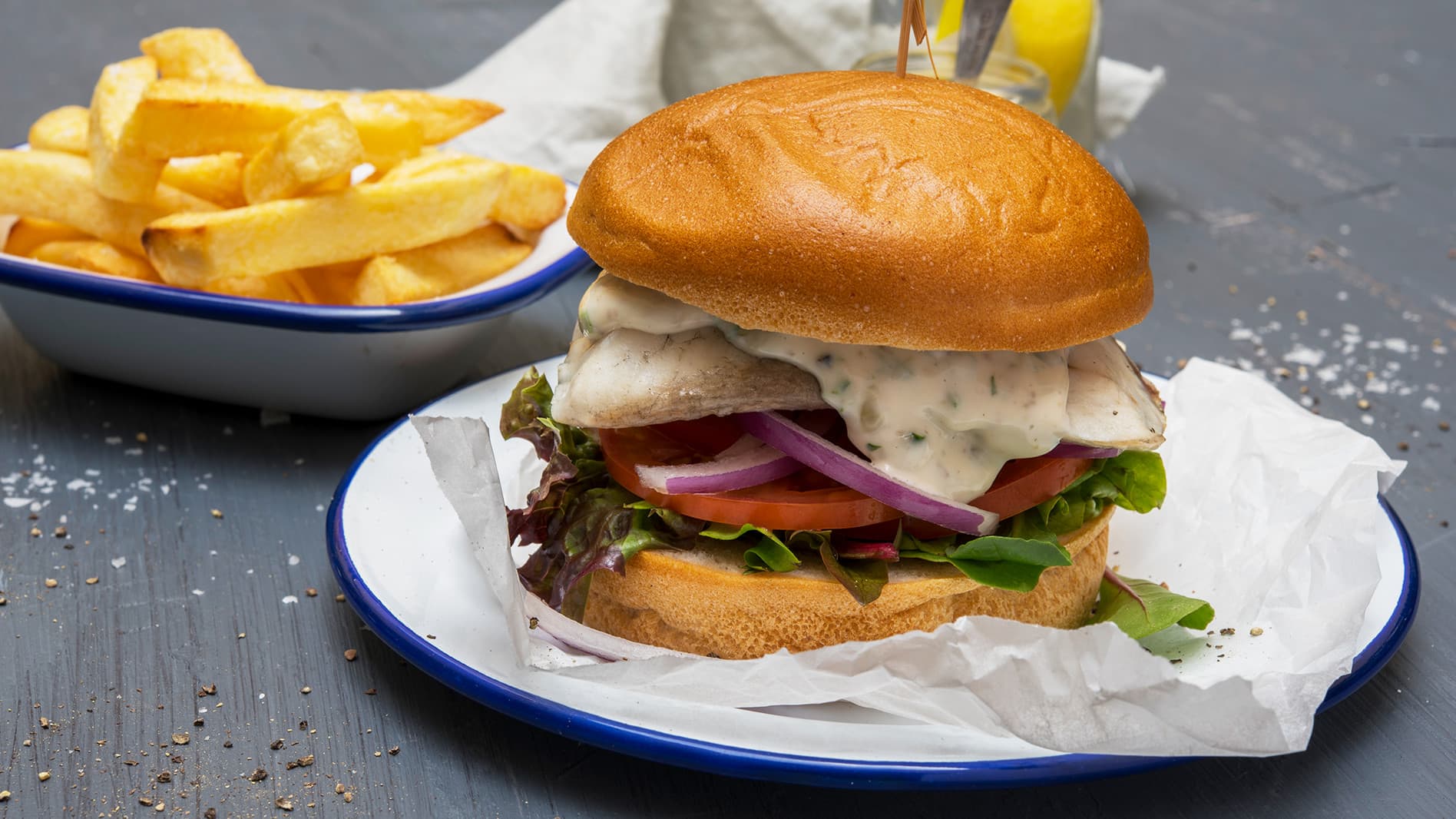
Barramundi Burger With Gluten Free Rolls
Need a new gluten free option on your menu? This barramundi burger is so good, your customers won't even know it is gluten free.
Gluten Free Bread Pudding
Are you wanting to cater to the increase of gluten free consumers? Why not try this delicious bread pudding, using the combination of rum and maple syrup.